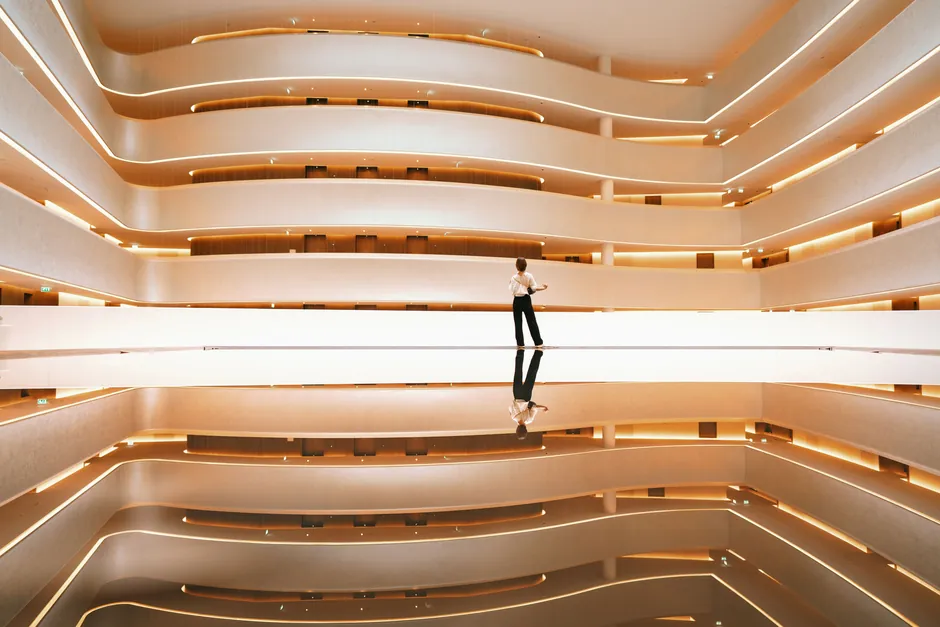
Roma Norte, Mexico City
In short Quiet Luxury is Deserved’s shortlist of six understated, material-led stays — including a travertine-and-oak townhouse in Lisbon, a Scandinavian-craft warehouse in Copenhagen and an architecture-led hotel in Mexico City. Every stay in the edit is chosen for restraint, craft and calm rather than branding or opulence.
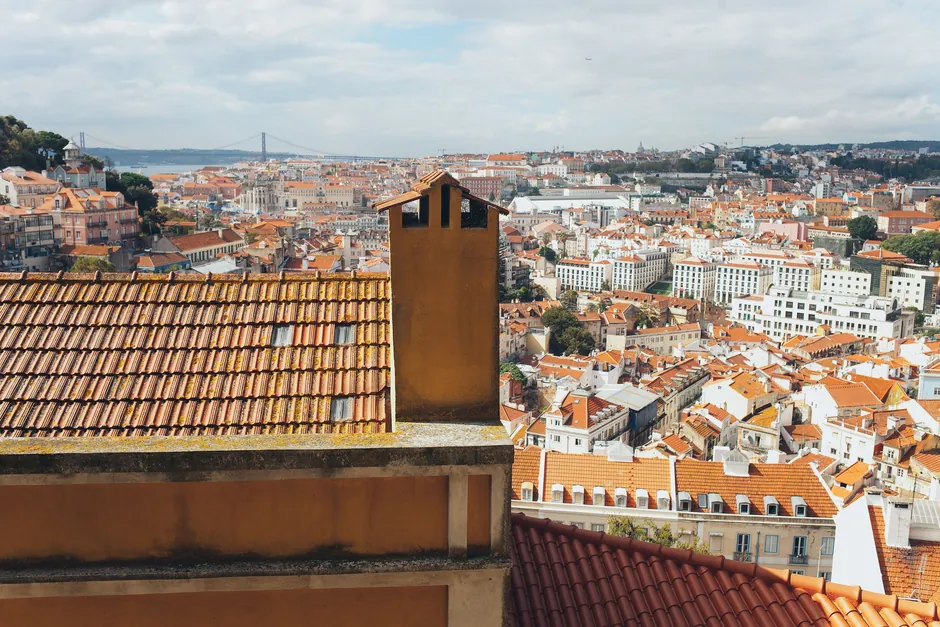
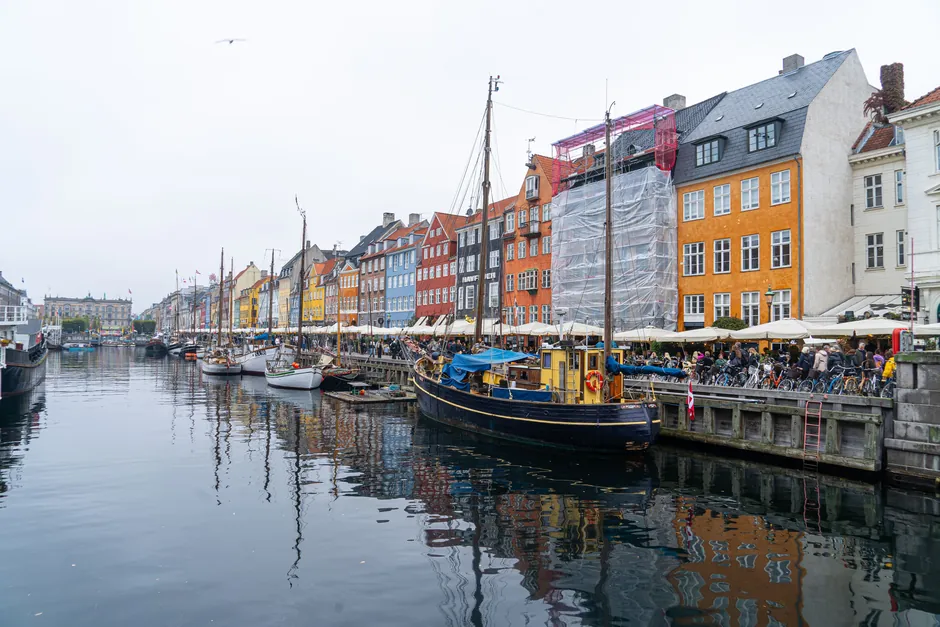
The loudest luxury has left the building. What lasts is quieter: a wall you want to touch, a light you cannot place, a chair someone thought about for years. This is our shortlist for that kind of stay — a Lisbon townhouse in travertine and oak, a Copenhagen warehouse that is hygge with an architecture degree, a Mexico City hotel where the design never shouts and the hush is something you can feel, a teak house that belongs to its hillside, an Alpine classic in larch and stone, a contemporary coastal calm above the Atlantic. Six stays chosen for restraint rather than logos — the ones where the room is the point, and the point is quiet. No monograms, no marble lobbies competing for attention; just materials, light and detail carried the whole way through.
Hand-picked stays in this collection


| What is measured | WHO value | Source |
|---|---|---|
| Inside the bedroom, average over the night | 30 dB(A) | Guidelines for Community Noise, 1999 |
| Inside the bedroom, single noise events | below about 45 dB(A) | Guidelines for Community Noise, 1999 |
| Outside the window at night, all sources | 40 dB (Lnight, outside) | Night Noise Guidelines for Europe, 2009 |
| Road traffic at night, outside | 45 dB (Lnight) | Environmental Noise Guidelines, 2018 |
| Aircraft at night, outside | 40 dB (Lnight) | Environmental Noise Guidelines, 2018 |
| What a partly open window takes off | about 15 dB (assumed) | Guidelines for Community Noise, 1999 |
Last updated: 2026-11-06 · Sources: WHO — Guidelines for Community Noise (1999) , WHO Regional Office for Europe — Night Noise Guidelines for Europe (2009) , WHO Regional Office for Europe — Environmental Noise Guidelines for the European Region (2018)
This collection currently holds 6 stays: Casa Luz, The Monochrome, Atelier, The Teak House, Almhof, Aria. Every one is picked by hand — we would rather show you three places worth booking than thirty that fill a page.
Nightly rates in this collection start at around €260 and reach about €520, depending on the house, the season and the room. Those are orientation figures rather than live rates — check dates with our booking partner for what you would actually pay.
Quiet Luxury is Deserved’s shortlist of six understated, material-led stays — including a travertine-and-oak townhouse in Lisbon, a Scandinavian-craft warehouse in Copenhagen and an architecture-led hotel in Mexico City. Every stay in the edit is chosen for restraint, craft and calm rather than branding or opulence.
The World Health Organization’s 1999 Guidelines for Community Noise put the bedroom at 30 dB(A) averaged over the night, with single noises — a door, a scooter, a lift — kept below about 45 dB(A). For comparison, 30 dB is roughly a whisper. Those figures are still the indoor reference in current practice; the WHO’s later guidelines added outdoor night values rather than replacing them.
Ask specific questions instead of writing “quiet room, please”: does the room face the street or a courtyard, how far is it from the lift, the bar and the service entrance, and do the windows open fully or tilt. A room away from the street with closed windows usually beats a higher floor above a busy road. Put the request in the booking notes and repeat it at check-in — that is when rooms are actually assigned.
Yes. The WHO’s outdoor values for bedrooms assume that a partly open window only takes about 15 dB off the noise outside. In a city street that is often not enough to reach the 30 dB the WHO recommends indoors. If you want fresh air and quiet at the same time, a room on a courtyard or garden side is the practical answer — the window is then open onto something that is already quiet.
In fashion the term describes expensive things without visible logos. For a stay we use it more literally: materials you notice by touch rather than by brand, light that is placed rather than displayed — and actual quiet, which is the one part you can measure. A hotel can be beautifully understated and still sit above a bar street, so we treat sound as part of the design, not an afterthought.
The small things that turn a good trip into a seamless one — vetted, so you don't have to.
Skip roaming fees. An eSIM that works the moment you land, in 200+ destinations.
Get an eSIM →Flexible insurance for nomads and long trips — medical, gear and cancellations.
Compare cover →Skip-the-line tickets and hand-picked experiences at every destination.
Browse experiences →Ad
One unforgettable stay in your inbox every Sunday — plus our free PDF guide.
No spam. One email a week. Unsubscribe anytime.